President Museveni has declined to assent to the Income Tax (Amendment) Bill, 2026 and the Excise Duty (Amendment) Bill, 2026 returning them back to Parliament for reconsideration, warning that some proposed measures would create unfair competition among businesses, encourage tax avoidance, and negatively affect the economy.
The Income Tax (Amendment) Bill, 2026 and the Excise Duty (Amendment) Bill, 2026 were considered and passed by the 11th Parliament ahead of the budget reading and new financial year starting in July 2026.
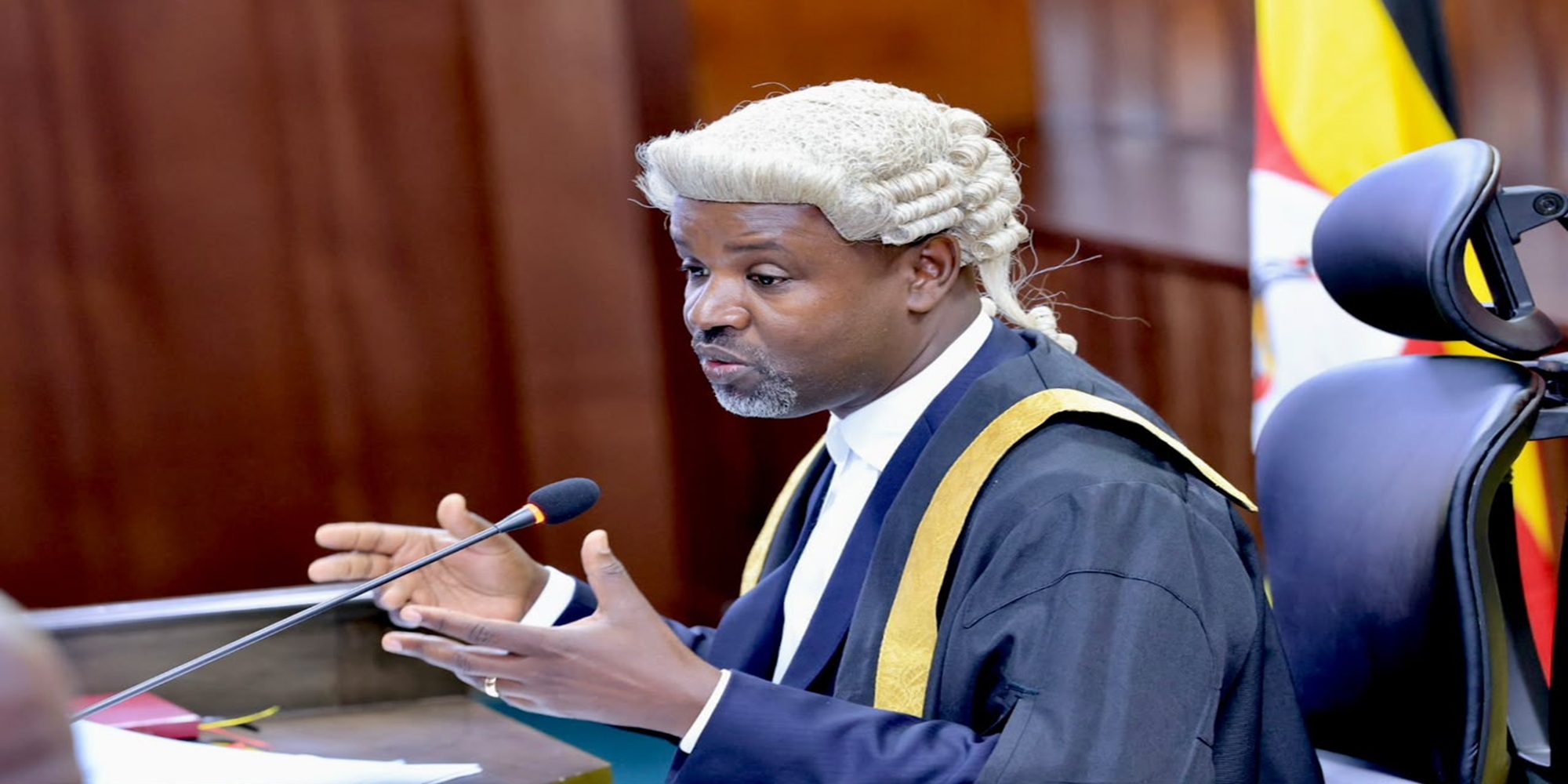
Deputy Speaker Thomas Tayebwa, who presided over the House sitting on 14 July 2026 said that President Museveni had raised objections to specific clauses in both bills, particularly provisions dealing with withholding tax on betting winnings and a sharp increase in excise duty on single-use plastics.
“The President is against the passing into law of Clause 11 of the Income Tax Amendment Bill, 2026,” Tayebwa said.
Clause 11 sought to introduce a withholding tax on winnings from betting and gaming activities but contained an exemption for winnings obtained from land-based casinos licensed under the Lotteries and Gaming Act, 2016.
Museveni argued that the exemption would create an uneven playing field between different categories of gaming operators while opening opportunities for tax avoidance.
In his communication to Parliament, the President warned that exempting land-based casinos from withholding tax could encourage businesses to restructure transactions in ways designed to minimise tax obligations.
“The exemption creates opportunities for tax avoidance and revenue leakage,” Museveni said in his communication to Parliament.
He further questioned why two businesses engaging in substantially similar economic activities should face different tax treatment.
“There is no justification for exempting one category while taxing the other,” he argued.
The President was also against the proposed increase in excise duty on single-use plastics as provided for in the Excise Duty (Amendment) Bill, 2026. Parliament had approved an increase from the existing rate of 2.5 percent or US$70 per tonne, to 25 percent or USS 1, 500 per tonne, whichever is higher.
While the proposal was intended to strengthen environmental protection measures and discourage plastic pollution, Museveni argued that the increase was too drastic and could trigger unintended economic consequences.
“The proposed increase is substantial and is likely to impose significant cost pressures on manufacturers engaged in the production and use of single-use plastics,” he said.
He warned that higher costs could affect production, investment and employment in the plastics sector.
Museveni also noted that Uganda’s manufacturing sector is not yet fully prepared to transition to alternative packaging materials.
“Viable alternatives to plastic packaging are not yet readily available in Uganda,” he said.
The President recommended further study before implementing the increase as an environmental policy measure.
Beyond the substance of the tax proposals, Parliament also confronted procedural questions over whether the bills should be reconsidered by the new Parliament.
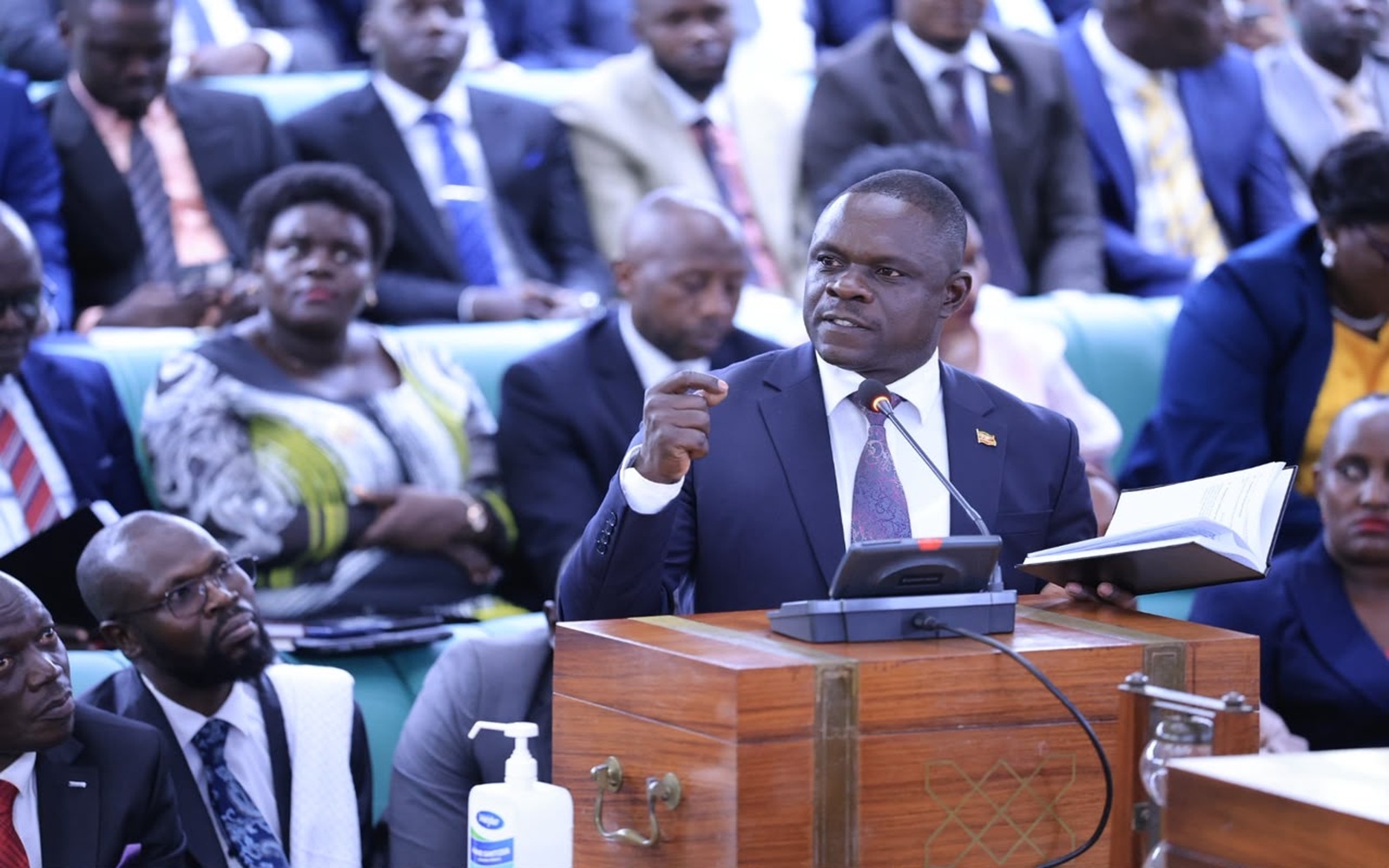
Bbale County MP, Hon. Charles Tebandeke wondered whether the two bills should not return through fresh legislative procedures having been originally considered by the previous Parliament.
“The law assumes that the 11th Parliament that was handling these bills was dissolved and the matter was overtaken by events,” Tebandeke said.
The Deputy Speaker Tayebwa rejected the claim that the President had delayed beyond the constitutional timeline. He reminded legislators that the Constitution provides that, the President must either assent to a Bill or return it to Parliament within 30 days after receiving it.
“The Constitution is very clear, 30 days from the date it is presented to him or her,” Tayebwa said.