The condemnation of at least 10 remand homes, one reception centre and one national rehabilitation facility has exposed critical failures in child protection systems and funding priorities within the Ministry of Gender, Labour and Social Development.
The affected facilities include remand homes across the country, Naguru Reception Centre and Kampiringisa National Rehabilitation Centre, which together accommodate children under state care.
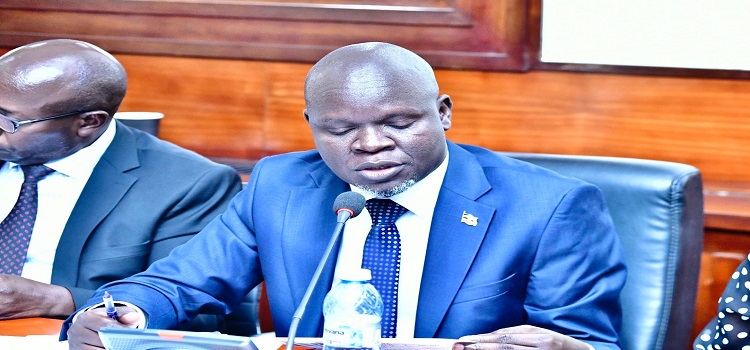
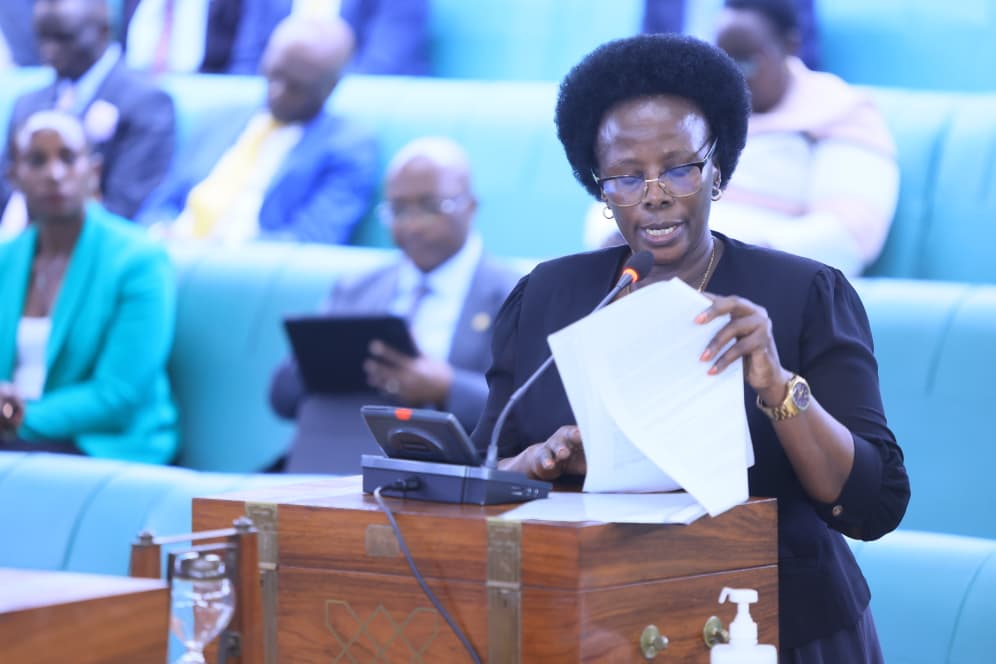
Presenting a report on the gender ministry’s policy statement and budget estimates for the 2026/2027 financial year during plenary chaired by Speaker Anita Among, on Thursday, 16 April 2026, committee chairperson, Hon. Agnes Kunihira, told MPs that inspections by the works ministry found several institutions housing children in conflict with the law to be unsafe.
“The committee noted that the Ministry of Works has condemned 10 remand homes, one reception centre and one National Rehabilitation Centre,” Kunihira said.
Kunihira said the problem is compounded by land ownership disputes, with most facilities lacking secure tenure.
“Out of 12 institutions, only three have land titles,” she said.
The committee noted that 2,617 children in conflict with the law are currently held in the affected institutions, raising concern over their safety and welfare. The committee recommended that Shs5 billion be given to the Ministry of Gender for renovation or rehabilitation.
Kunihira linked the crisis to broader budget imbalances within the ministry, noting that while the overall allocation has increased, critical service areas remain underfunded.
The draft annual budget estimates for the ministry for financial year 2026/2027… reflected an overall increase with the total budget having risen by Shs91.212 billion (20.7 percent),” Kunihira said.
However, key functions that support community and family services registered significant cuts.
“Vote Function 02 (Culture and family Affairs) experienced a decline of 20.9 percent, largely attributed to a reduction in non-wage recurrent funding,” she said, adding that administration also saw an 8.7 percent reduction in non-wage allocations.
Kunihira warned that such cuts weaken preventive and rehabilitation systems, leaving institutions overstretched and poorly maintained.
The committee also highlighted inefficiencies in utilisation of funds.
“By the end of June 2025, 91.2 percent of the total budget was released and only 62.8 percent expended,” she said.
She attributed the low absorption partly to delays in externally funded programmes.
Beyond child protection, the report flagged systemic weaknesses in labour justice, including a growing backlog of cases at the Industrial Court.
“The committee observed the need to operationalise more Industrial Court centres and registries… to address the rising case backlog,” Kunihira said.
She also raised concerns over underfunding of key oversight bodies such as the Labour Advisory Board and gaps in the functionality of the Medical Board, warning that these limit effective regulation, assessment and enforcement of labour and social protection systems.
Despite the challenges, Kunihira highlighted gains in social protection programmes, particularly the Social Assistance Grants for Empowerment (SAGE) in which 297,724 senior citizens have benefited.
The ministry also supported vulnerable groups through livelihood programmes, including 1,640 women enterprises benefiting 11,796 women and 1,317 enterprises for persons with disabilities benefiting 8,170 persons.
Additional interventions included the rescue, rehabilitation and reintegration of street children, as well as inspections of gender-based violence shelters to ensure compliance with minimum standards.
However, the committee cautioned that these gains risk being undermined by weak infrastructure, funding imbalances and implementation bottlenecks.
“The ministry… is mandated to protect and promote the rights of vulnerable populations,” Kunihira said, urging government to prioritise safe facilities, secure land ownership, strengthen oversight systems, and align budget allocations to critical service delivery areas.
Commenting on SAGE, the Speaker asked Government to comment on the fact that the elderly persons are forced to go long distance to withdraw their money.
Hon. Denis Hamson Obua, the Government Chief Whip, said government is progressing to reduce the age limit of beneficiaries to 65 from 80. He says on the issues of distance; this will be discussed.
“A district like Alebtong does not have a single bank, if this elder is supposed to pick money, he will have to go to Lira. Government cannot do all this, let government work on reduction of age limit so that more elderlies can access the system,” he said.
Hon. Joseph Ssewungu (NUP, Kalungu West County) proposed that the elderly people be given phones and their money sent via mobile money.
Speaker Anita Annet Among tasked the committee on gender to study on the best way to channel this money to the elderly.
“We need to have extensive discussion on how this will be done so we can come up with a viable situation, meanwhile Buyende District has a bank,” she said.
The report was forward to the Committee on Budget for reconciliation and harmonisation of figures during the consideration of the budget.