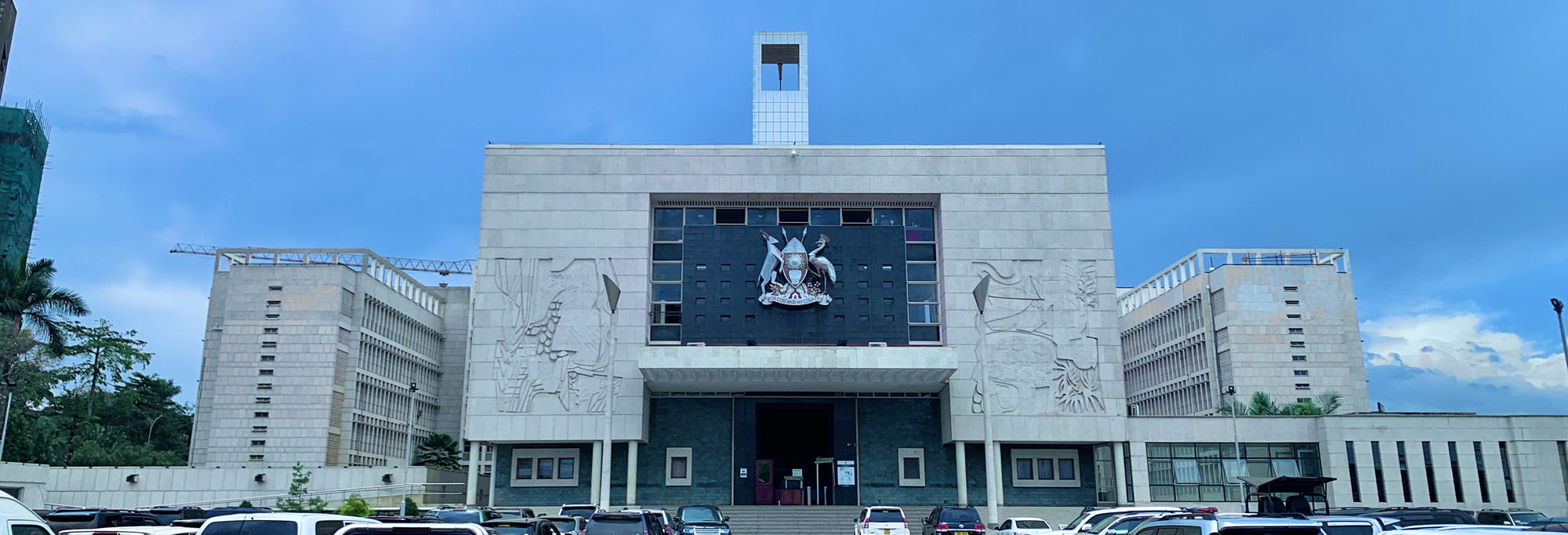
Parliament has rejected a request to grant leave for the introduction of a Private Member’s Bill aimed at curbing the practice of government agencies collecting and spending public funds outside its oversight.
If the leave were granted and the Bill passed, it would require all revenues collected by state corporations, public enterprises and statutory authorities to be deposited into the Consolidated Fund to ensure they are subjected to parliamentary appropriation
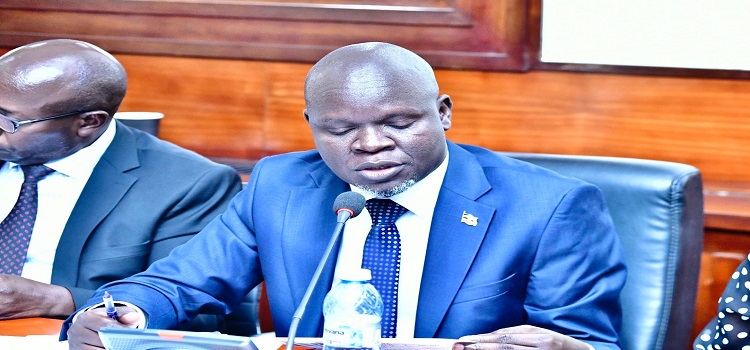
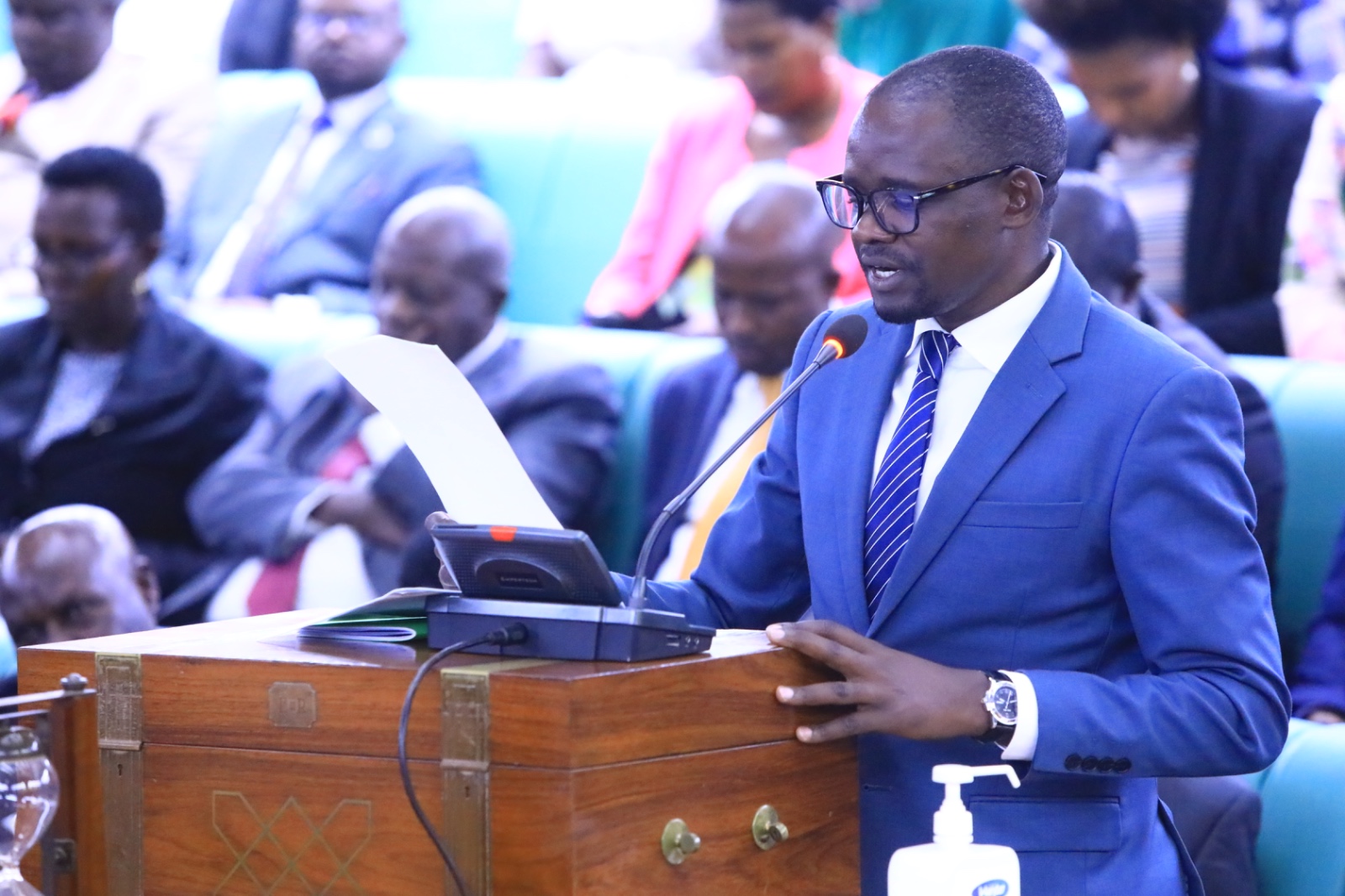
The motion, moved by Hon. Ssemwanga Gyaviira (NRM, Buyamba County) on Thursday, 26 March 2026, sought permission to introduce the Public Finance Management (Amendment) Bill, 2026 to amend the Public Finance Management Act.
The House was presided over by Speaker Anita Among.
The proposal was anchored in concerns that a significant portion of public funds is handled outside the legally established framework, undermining Parliament’s constitutional authority over public finance. It cited provisions of the law requiring that “all revenue or other monies raised or received be paid into the Consolidated Fund and withdrawn only under the authority of an Appropriation Act.”
While the Act allows certain government entities to retain part of the revenue they collect for operational expenses, Gyaviira argued that this provision has been stretched beyond Parliament’s effective oversight.
He noted that the requirement is increasingly being bypassed, stating that many state corporations, public enterprises, statutory authorities and other public entities spend substantial own-source revenues outside the Consolidated Fund, weakening Parliament’s exclusive power over budget scrutiny and appropriation.
Lawmakers were also alerted to a major accountability gap, with the motion pointing to “a reconciliation variance of approximately Shs4.3 trillion between the Government Consolidated Fund Statement and the Consolidated Statement of Appropriation,” suggesting that large sums of public money are not fully captured within the official budget system.
Further concerns were raised about the use of such funds. According to Gyaviira, significant deposits of public funds have accumulated on statutory fund accounts, some of which are used to provide loans to staff and to invest in fixed deposits and government securities, even as government continues to borrow at market rates.
Seconding the motion, Hon. Herbert Ariko (NRM, Soroti East Division) said many entities do not disclose to Parliament how much they receive outside their usual revenue streams.
“Fragmented public financing makes planning difficult and leads to inefficient allocation of resources across all sectors. It is the reason why some of these parastatals and agencies appear able to perform and attend to their planned activities,” he said.
Speaker Among tasked the seconder to provide a list of institutions that retain funds, while Isaac Otimgiw (NRM, Padyere) cited the National Drug Authority as one of the entities that collects significant revenue and spends it at source.
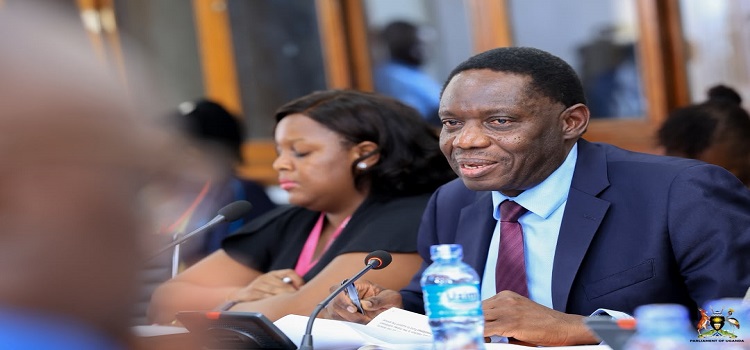
However, the Attorney General, Kiryowa Kiwanuka, cautioned against the proposal arguing that it could be unconstitutional.
“If the Constitution allows some money to go to other accounts, the Bill would create an unnecessary legal problem,” he said.
Hon. Jonathan Odur (UPC, Erute County South) argued that addressing the issue would instead require amendments to the various laws governing entities that spend money at source.
The State Minister for Trade, Industry and Cooperatives (Industry), David Bahati, maintained that no institution is currently spending money outside the law.
The motion warned that such practices have created “a parallel fiscal space with limited parliamentary oversight,” undermining the credibility of the national budget and exposing public resources to inefficiencies and potential misuse.