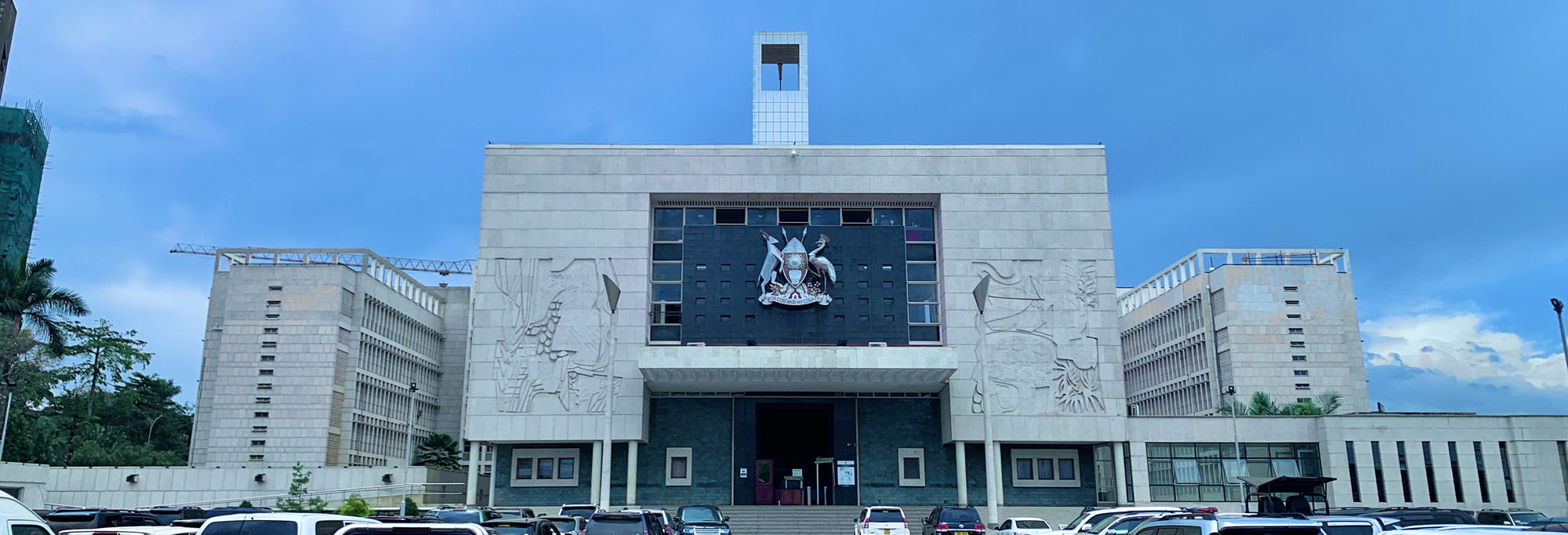

Parliament has approved a five-year fiscal framework targeting a reduction in Uganda’s public debt to 50 percent of non-oil Gross Domestic Product (GDP) by Financial Year 2030/31, despite concerns over debt computation, enforcement of fiscal targets and Government’s performance under the previous framework.
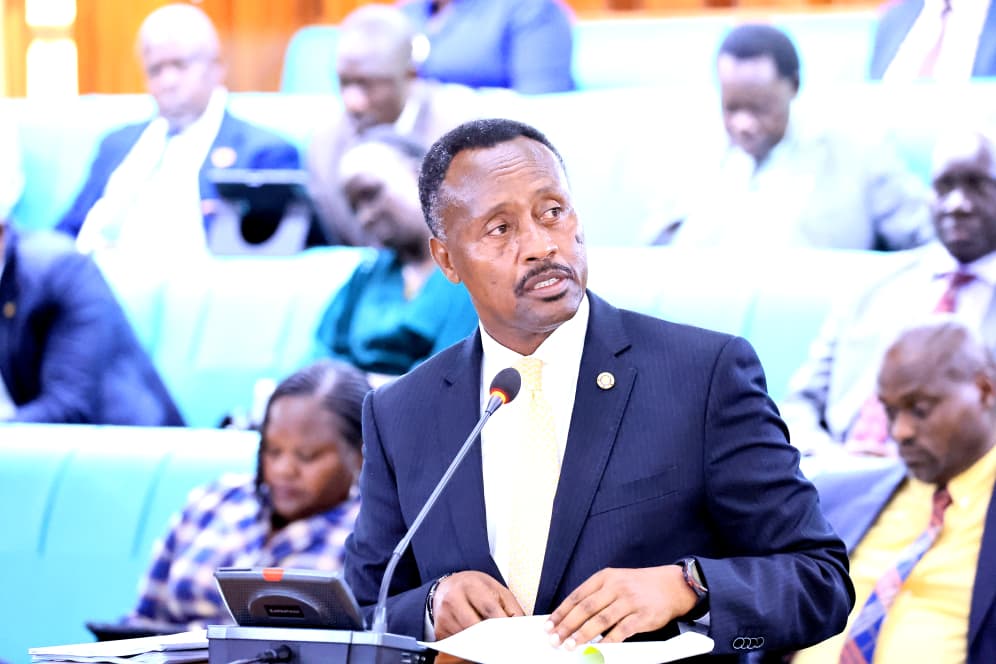
The Charter for Fiscal Responsibility for FY2026/27–FY2030/31, presented by the Chairperson of the Budget Committee, Hon. Amos Kankunda, during plenary on Wednesday,30 September 2026, sets targets for public debt, commercial borrowing, debt servicing, Government expenditure and petroleum revenue management.
Public debt is projected to peak at 55.1 percent of non-oil GDP in FY2027/28 before declining to 50 percent by the end of the five-year period.
Kankunda recommended approval, saying the charter provides for revenue led fiscal consolidation, reduced commercial borrowing, improved expenditure efficiency, sustainable debt management and responsible management of petroleum revenues.
The charter also targets a reduction in the share of domestic revenue spent on interest payments from 32.5 per cent in FY2026/27 to 20 per cent by FY2030/31, while the fiscal deficit excluding petroleum revenue is expected to fall from 6.6 per cent to no more than 1.5 per cent of non-oil GDP.
The Budget Committee recommended annual audits by the Auditor General to assess compliance with the charter and proposed increasing domestic non-oil revenue by at least 0.5 percentage points annually.
Its review of the outgoing charter showed that public debt stood at 54 per cent of non-oil GDP as at 30 June 2026, against a target of below 50 per cent. Domestic interest payments were 25.5 per cent of domestic revenue against a target of 12.5 per cent, while the fiscal deficit stood at 6 per cent against a maximum target of three per cent.
The minority report by Nyendo-Mukungwe Division MP, Hon. Gyaviira Lubowa, called for deferral of approval, citing concerns over GDP rebasing, debt computation, petroleum recoverable costs and the absence of a successor to the expired Domestic Revenue Mobilisation Strategy.
During debate, Napak District Woman Representative, Hon. Faith Nakut, supported the charter, saying it was necessary to guide the budgeting process for the next five years.
“The purpose for which we are processing this Charter for Fiscal Responsibility is to guide the budgeting for the next five years,” Nakut said, arguing that approval should not be delayed over issues that were not legal requirements.
Kumi Municipality MP, Hon. Silas Aogon, described the charter as a commitment by government to Parliament and the public on borrowing, expenditure and debt.
“This charter is simply a government telling Parliament and the citizens of Uganda that this is how much we are going to borrow in the next five years. This is how we are going to spend it. This is how much we are going to owe in the next five years,” Aogon said.
However, Katikamu County North MP, Hon. Denes Sekabira, backed the minority report, arguing that government should first account for its performance under the previous charter prior to adopting another framework.
Industrial Division MP, Hon. Karim Masaba, questioned the computation of public debt, arguing that the nominal value should be used. “When you look at the IMF Public Sector Debt Statistics Guidelines, the way it is computed, we are supposed to use the nominal value, not the base value,” Masaba said.
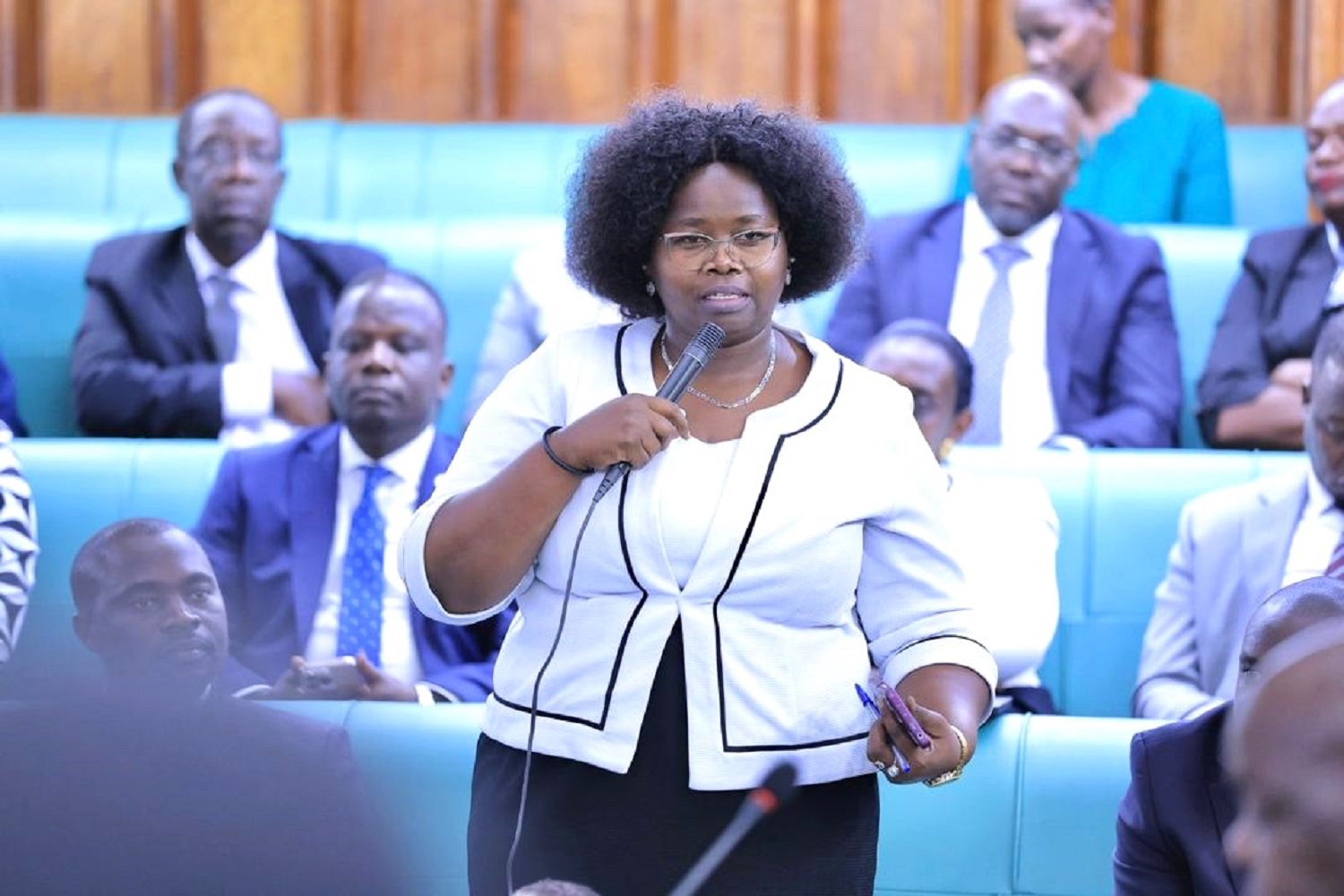
Hon. Joan Alobo (FDC, City Woman Representative, Soroti) questioned how the 50 per cent target would be enforced if government failed to meet it.
“What prevents the 50 per cent target from becoming another target ceiling that Government missed?” Alobo asked.
The Leader of the Opposition in Parliament, Hon. Joel Ssenyonyi, said government was not presenting the full picture of public debt.
“You borrow from a shop near you - you borrow from your neighbour, the month ends and you have not paid your maid. You are only including the debt from the shop and the debt from the neighbour but not your maid,” Ssenyonyi said.
Finance minister, Hon. Henry Musasizi, urged MPs to approve the charter to allow government to proceed with the budgeting process and committed government to paying down its debt over the next three years.
Parliament subsequently approved the charter, subject to the amendments recommended by the Budget Committee.


